.png)
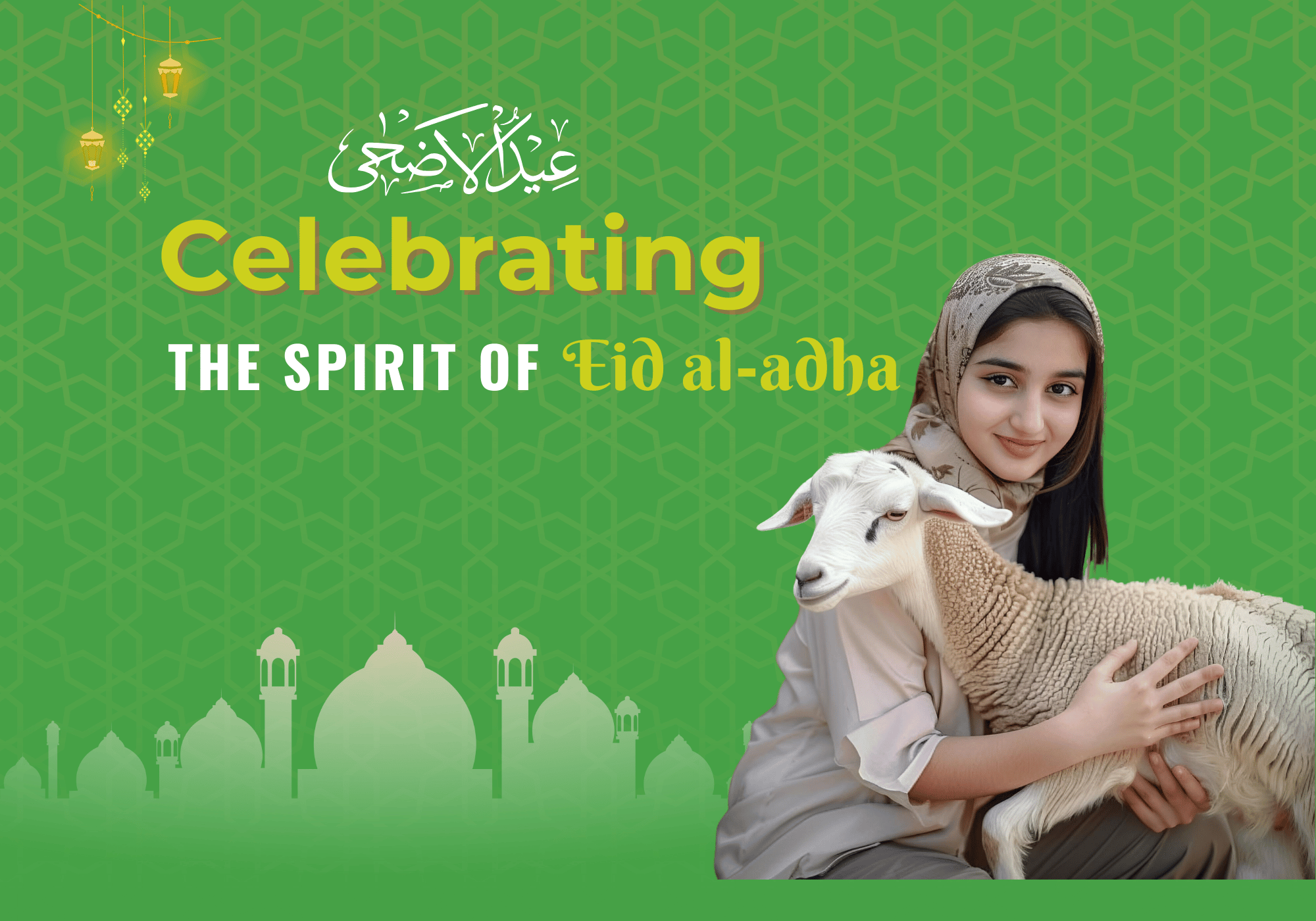
Eid al-Adha is one of the most meaningful celebrations in the Islamic calendar, reflecting devotion, generosity, and unity. Celebrating the Spirit of Eid al-Adha allows Muslims worldwide to honour faith through sacrifice, charity, and compassion. Rooted in the timeless story of Prophet Ibrahim’s sacrifice, this blessed occasion reminds believers to prioritise obedience to Allah (SWT) while supporting those in need. In this blog, we explore the importance of Eid al-Adha and how its spirit continues to inspire giving in 2026.
The Prophet Muhammad (ﷺ) said:“The son of Adam does not do any action on the day of Eid al-Adha more beloved to Allah than sacrificing an animal.”
The Importance of Eid al-Adha
The importance of Eid al-Adha lies in its deep spiritual meaning and historical foundation. This sacred festival commemorates Prophet Ibrahim’s sacrifice and his unwavering obedience to Allah (SWT). Eid al-Adha marks a time when Muslims reflect on faith, humility, and selflessness. Beyond celebration, it reinforces communal responsibility, encouraging believers to share blessings and ensure that joy reaches every household, especially the vulnerable
The Significance of Eid al-Adha in Islam
The significance of Eid al-Adha is closely tied to the powerful test faced by Prophet Ibrahim (AS). When commanded to sacrifice his son Ismail (AS), Ibrahim showed complete submission to Allah’s will. At the final moment, Allah replaced Ismail with a ram, demonstrating mercy and divine wisdom. This moment defines the Spirit of Eid al-Adha, teaching Muslims that true sacrifice in Islam means surrendering personal desires for the pleasure of Allah.
Preparing for Eid al-Adha
Preparing for Eid al-Adha involves spiritual reflection, repentance, and generosity. Muslims spend the days leading up to Eid engaging in prayer, Qur’an recitation, and acts of charity. Giving Zakat and voluntary donations helps purify wealth and hearts. Supporting charitable causes ensures that those facing hardship can also experience the happiness of Eid al-Adha, strengthening unity within the Ummah.
Rituals That Define Eid al-Adha
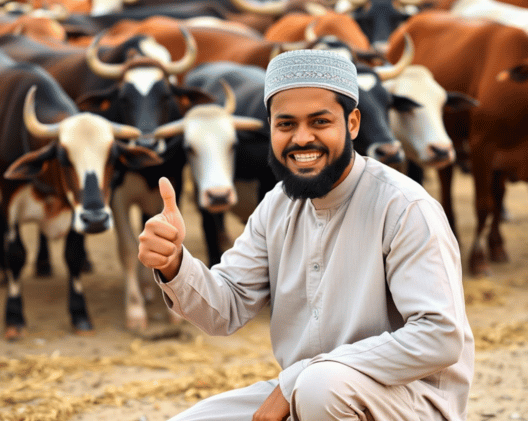
Eid al-Adha is marked by important rituals that honour Prophet Ibrahim’s sacrifice. Muslims gather for the congregational Eid prayer, seeking blessings and forgiveness. The Qurbani sacrifice follows, symbolising devotion and gratitude. The meat is divided into shares for family, relatives, and the poor. These practices highlight the importance of Eid al-Adha as both an act of worship and a means of social support.
Sharing the Spirit of Eid al-Adha Through Charity
The Spirit of Eid al-Adha is most visible in acts of giving. By sharing Qurbani meat and offering donations, Muslims help uplift struggling families. Charitable organisations play a vital role in delivering aid efficiently and ethically. Your donations in 2026 help spread hope, dignity, and nourishment, ensuring the significance of Eid al-Adha reaches communities worldwide and no one is left behind.
Eid al-Adha Traditions Across the World
Eid al-Adha is celebrated globally with diverse cultural traditions while maintaining its spiritual essence. Families dress in their finest clothes, decorate homes, and prepare festive meals. Visiting relatives, exchanging gifts, and sharing food strengthen bonds of love and brotherhood. These traditions reflect the enduring Spirit of Eid al-Adha, bringing people together in gratitude, generosity, and remembrance of Prophet Ibrahim’s sacrifice.