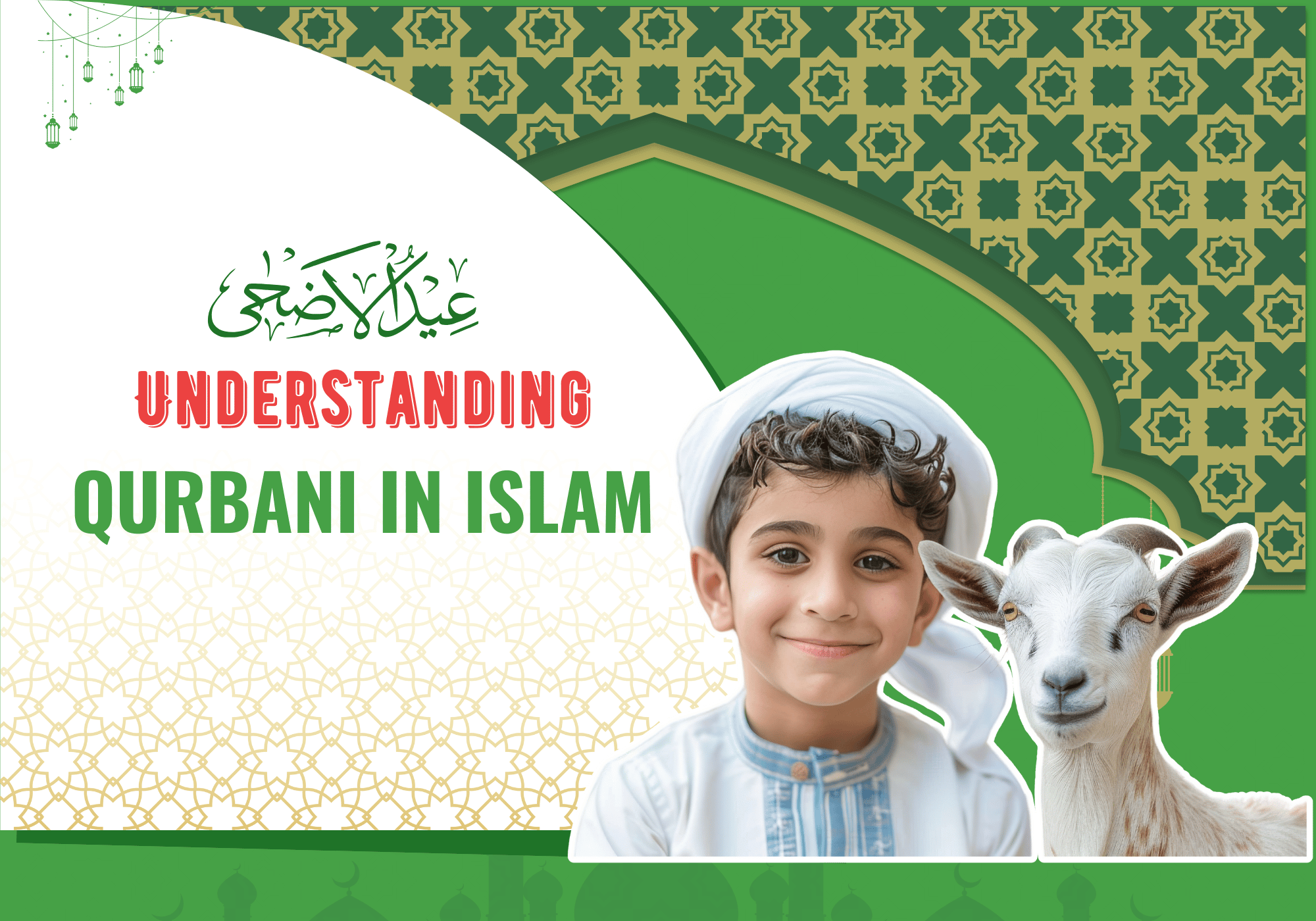
As Eid al-Adha approaches, Muslims across the world prepare to fulfil one of Islam’s most profound acts of worship: Qurbani. Understanding the Essence of Qurbani helps believers perform this sacred duty correctly while maximising its spiritual and humanitarian impact. Rooted in obedience, sacrifice, and compassion, Qurbani is not merely a ritual but a powerful expression of faith, unity, and care for those in need. This guide explores the true meaning of Qurbani, its Sunnah-based practice, and how Qurbani donations can transform lives in 2026.
The Prophet Muhammad (ﷺ) said: “There is nothing dearer to Allah during the days of Qurbani than the sacrifice of animals.”
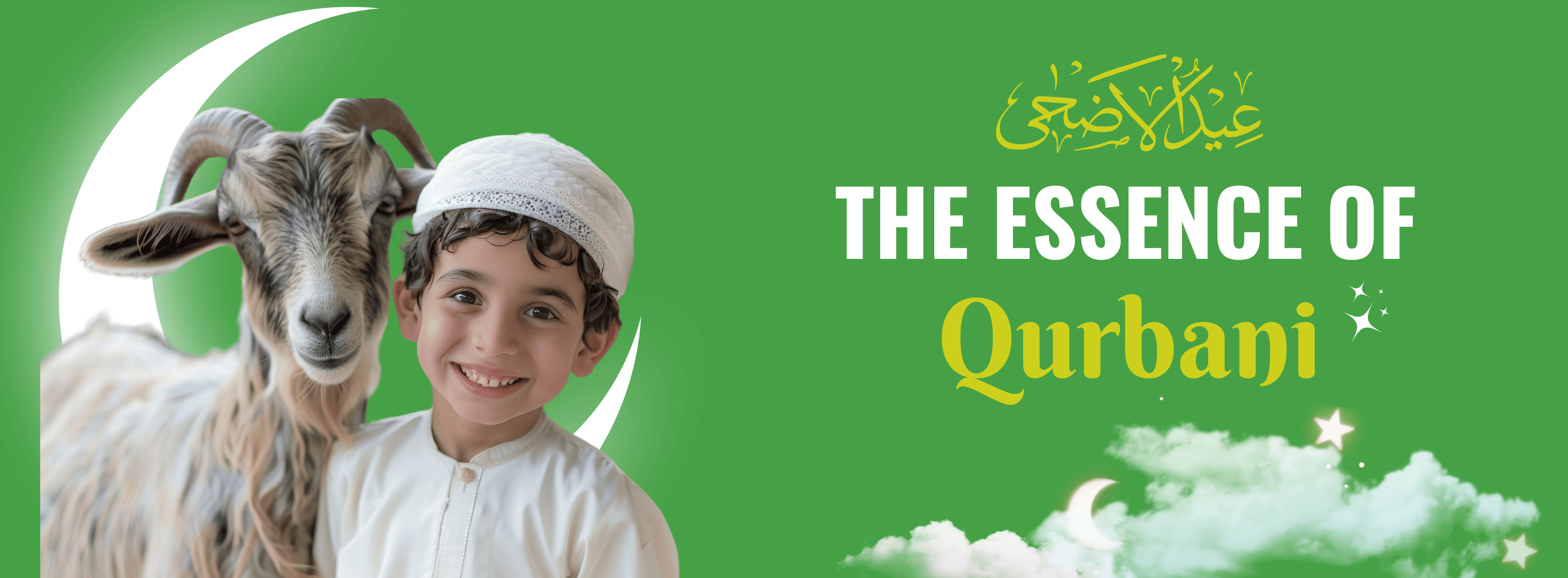
The Essence of Qurbani
The Essence of Qurbani lies in sincere devotion and complete submission to Allah (SWT). It commemorates the obedience of Prophet Ibrahim (AS) and his willingness to sacrifice what he loved most for the sake of Allah. Performing Qurbani according to the Sunnah of the Prophet (ﷺ) ensures that this act is accepted and rewarded. Beyond personal worship, Qurbani strengthens social responsibility by feeding the poor, supporting vulnerable communities, and spreading the joy of Eid al-Adha worldwide.
Understanding the Steps for Qurbani
Performing Qurbani correctly requires following clear Islamic guidelines. These steps for Qurbani ensure the sacrifice is valid, humane, and aligned with the Sunnah of the Prophet. Every stage, from intention to distribution, reflects discipline, mercy, and gratitude. By understanding these steps, Muslims can fulfil their obligation with confidence while ensuring their Qurbani donations reach those most in need.
Intention and Selecting a Halal Animal
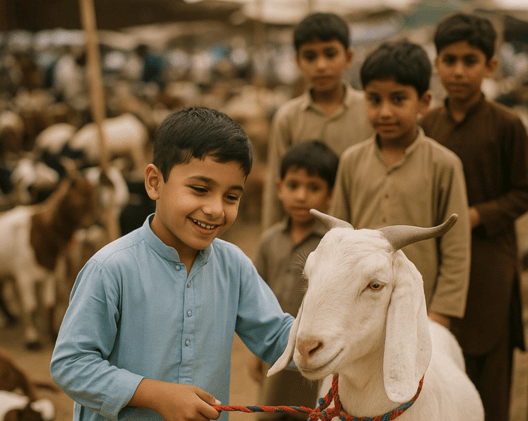
The first step in performing Qurbani is making a sincere intention (niyyah) solely for Allah (SWT). This intention may be internal or spoken. At the time of sacrifice, reciting “Bismillah, Allahu Akbar” is essential. The selected animal must be halal, healthy, and free from visible defects. Age requirements must be met: sheep and goats should be at least one year old, cattle two years, and camels five years. Proper care before sacrifice reflects compassion and adherence to the Sunnah of the Prophet.
Timing and Methodology of Performing Qurbani
Qurbani is performed after the Eid al-Adha prayer and continues until sunset on the 12th of Dhul Hijjah. The sacrifice must be carried out swiftly and humanely, minimising discomfort to the animal. The Prophet (ﷺ) taught believers to sharpen knives away from the animal, keep it calm, and face the Qiblah. Ideally, Muslims should perform Qurbani personally or witness it, reinforcing the spiritual connection of this sacred act.
Distribution of Meat and Supporting Qurbani Donations
After the sacrifice, the meat should be distributed fairly: one portion for the household, one for relatives and friends, and one for the poor and needy. Neither the meat nor the skin may be sold or used as payment. Through Qurbani donations, charities like Albaraka Trust ensure this distribution reaches those who need it most, including Syrian refugee families. Your Qurbani donations in 2026 help restore dignity, provide nourishment, and allow struggling families to experience the true joy of Eid al-Adha.
Share the Blessings of Qurbani This Eid
By supporting Qurbani donations, you extend the Essence of Qurbani beyond borders, turning sacrifice into lasting impact. Your generosity upholds the Sunnah of the Prophet and delivers hope to vulnerable communities. This Eid al-Adha, perform Qurbani with purpose, compassion, and sincerity. Together, we can ensure no family is forgotten and every sacrifice brings light, relief, and unity to those who need it most.