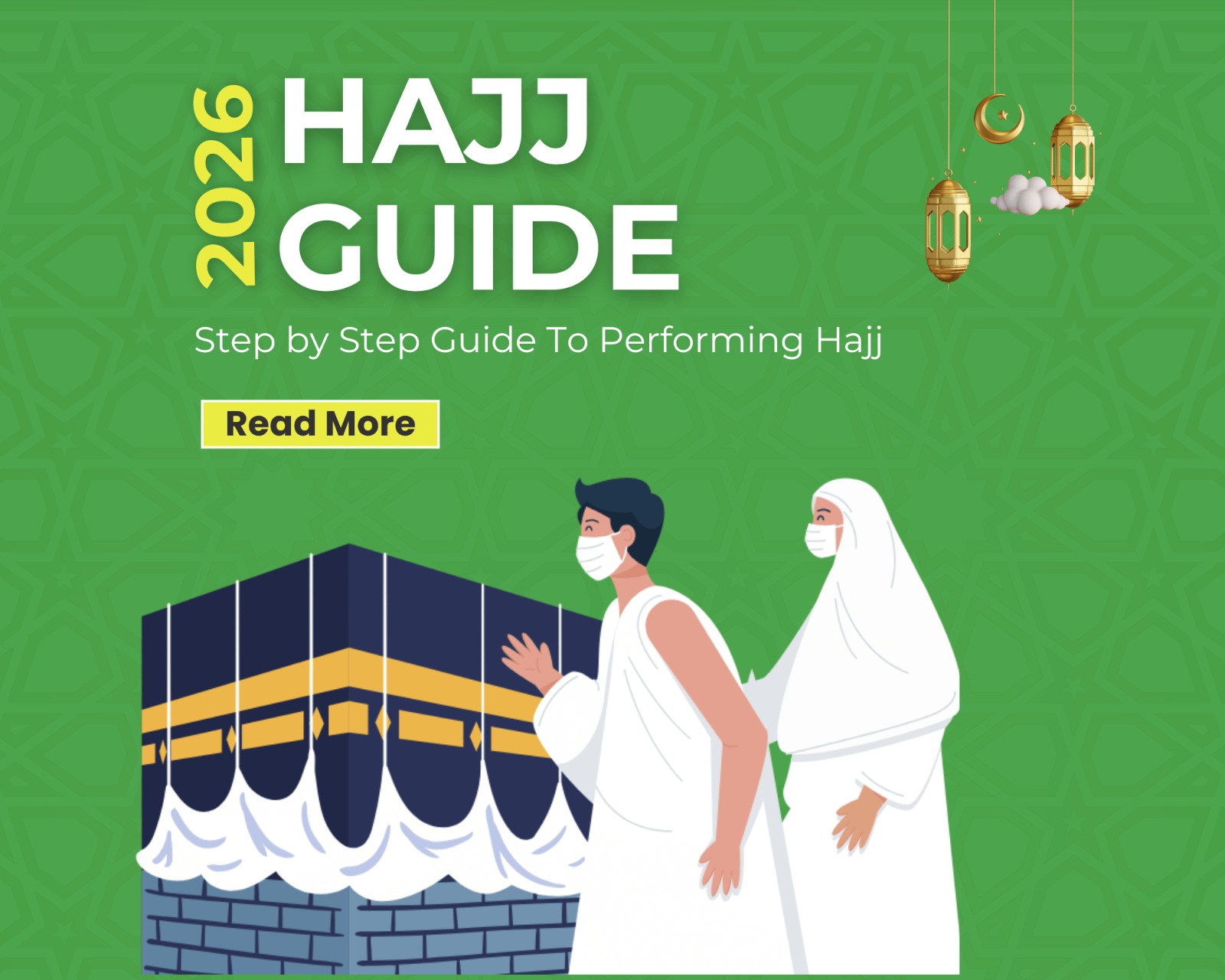
As Eid al-Adha approaches, Muslims across the world prepare to fulfil one of Islam’s most profound acts of worship: Qurbani. Understanding the Essence of Qurbani helps believers perform this sacred duty correctly while maximising its spiritual and humanitarian impact. Rooted in obedience, sacrifice, and compassion, Qurbani is not merely a ritual but a powerful expression of faith, unity, and care for those in need. This guide explores the true meaning of Qurbani, its Sunnah-based practice, and how Qurbani donations can transform lives in 2026.
“Whoever performs Hajj for Allah’s sake and does not commit any obscenity or wrongdoing will return as free from sins as the day their mother gave birth to them.”
The Significance of Hajj
Performing Hajj is an obligation for every adult Muslim who is physically and financially capable. It commemorates the trials and sacrifices of Prophet Ibrahim (as), his wife Hajar (as), and their son Prophet Ismail (as).
What Is Hajj?
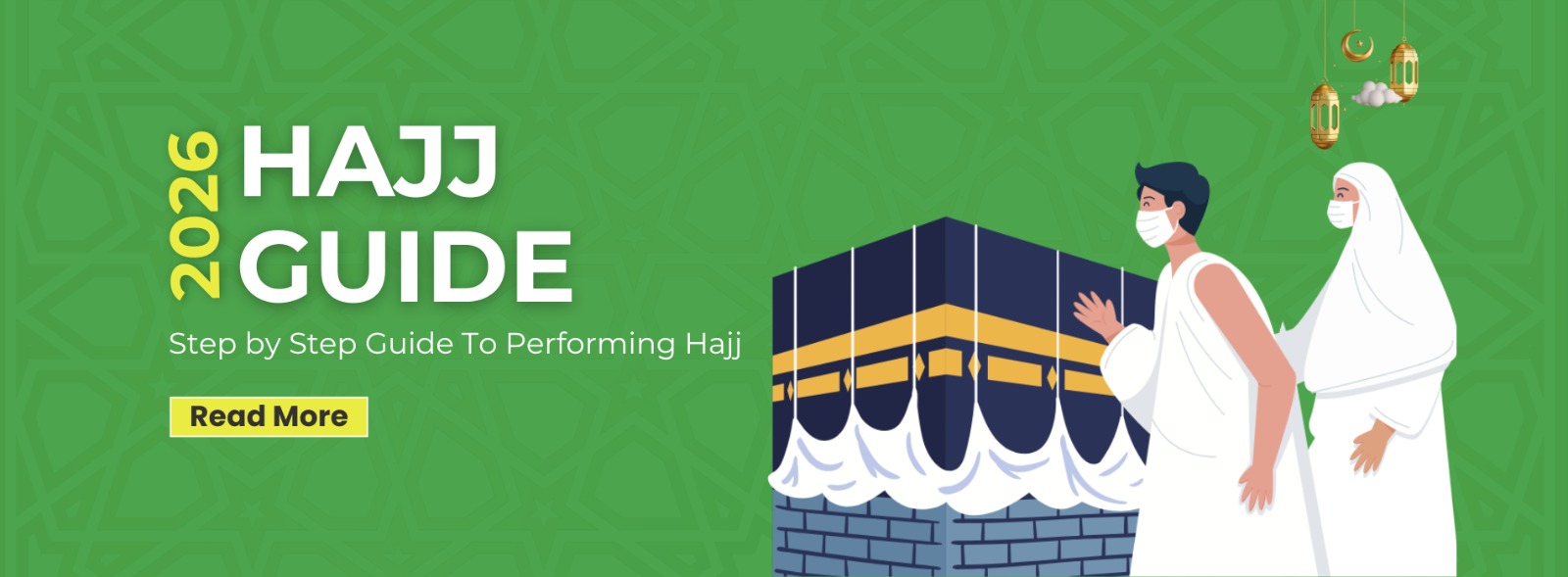
Hajj is the sacred pilgrimage to Makkah, performed annually between the 8th and 12th of Dhul Hijjah. It is a journey of worship that includes a series of prescribed acts, known as the Steps of Hajj, carried out in a specific order. For Muslims undertaking Hajj 2026, this journey represents a once-in-a-lifetime opportunity to earn immense reward, forgiveness of sins, and closeness to Allah (SWT).
When Is Hajj 2026?
Hajj 2026 is expected to begin on the 8th of Dhul Hijjah, subject to moon sighting. The pilgrimage lasts between four to six days, concluding on the 12th or 13th of Dhul Hijjah. These blessed days also coincide with Eid al-Adha, a time when Muslims worldwide give Qurbani and support vulnerable families through charitable donations.
Preparing for Hajj: Intention and Ihram
The journey of Hajj begins with sincere intention (Niyyah), made purely for the sake of Allah. Pilgrims then enter the state of Ihram, symbolising equality and spiritual purity. Men wear two simple white cloths, while women observe modest Islamic dress. Ihram reminds pilgrims of humility, unity, and the temporary nature of worldly life.
"The reward for an accepted Hajj is nothing less than Paradise."
- Sahih Bukhari
Performing Tawaf and Sa’i
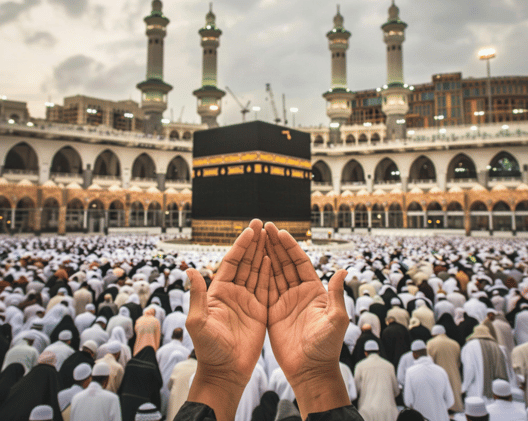
One of the first major rituals in the Hajj Guide is Tawaf, where pilgrims circle the Kaaba seven times in devotion to Allah. This is followed by Sa’i, walking between the hills of Safa and Marwa, commemorating the struggle of Hajar (AS). These acts form a core part of the Steps of Hajj, strengthening patience, faith, and reliance on Allah (SWT).
Mina, Arafah, and Muzdalifah
On the 8th of Dhul Hijjah, pilgrims travel to Mina, spending the day in prayer. The following day, they proceed to Arafah, the most important day of Hajj. Standing in Arafah is the heart of the pilgrimage, where pilgrims seek forgiveness and make heartfelt supplications. After sunset, they move to Muzdalifah, combining prayers and collecting pebbles for the next rituals.
Rami, Qurbani, and Eid al-Adha
During the days of Eid, pilgrims perform Rami, the symbolic stoning of the devil, reaffirming rejection of temptation and evil. This coincides with Qurbani, honouring the sacrifice of Prophet Ibrahim (AS). Supporting Qurbani through charity allows families worldwide to share in the blessings of Dhul Hijjah, even if they are unable to perform Hajj themselves.
Tawaf al-Ifadah and Completing Hajj
Pilgrims return to Makkah to perform Tawaf al-Ifadah and Sa’i, completing the major obligations of Hajj. These final Steps of Hajj mark spiritual renewal and the acceptance of worship. The journey concludes with Tawaf al-Wida, the farewell Tawaf, before departing Makkah with a purified heart and renewed faith.
Hajj Guide PDF and Supporting Others
For those preparing for Hajj 2026, downloading a trusted Hajj Guide PDF can provide clarity and confidence throughout the journey. While some are blessed to perform Hajj, many families struggle during Dhul Hijjah due to poverty, hunger, and hardship. Your donations during this sacred time help provide food, care, and hope, allowing the rewards of Hajj to extend far beyond Makkah.